And why two hours a week in the woods may be the most evidence-based wellness practice available.
There is a moment in a dense forest when something measurable happens. The shoulders drop. The breath slows. The mind, which had been rehearsing tomorrow’s agenda, goes quiet. This is not a metaphor. It is physiology – and the science behind it has become one of the most compelling stories in preventive medicine.
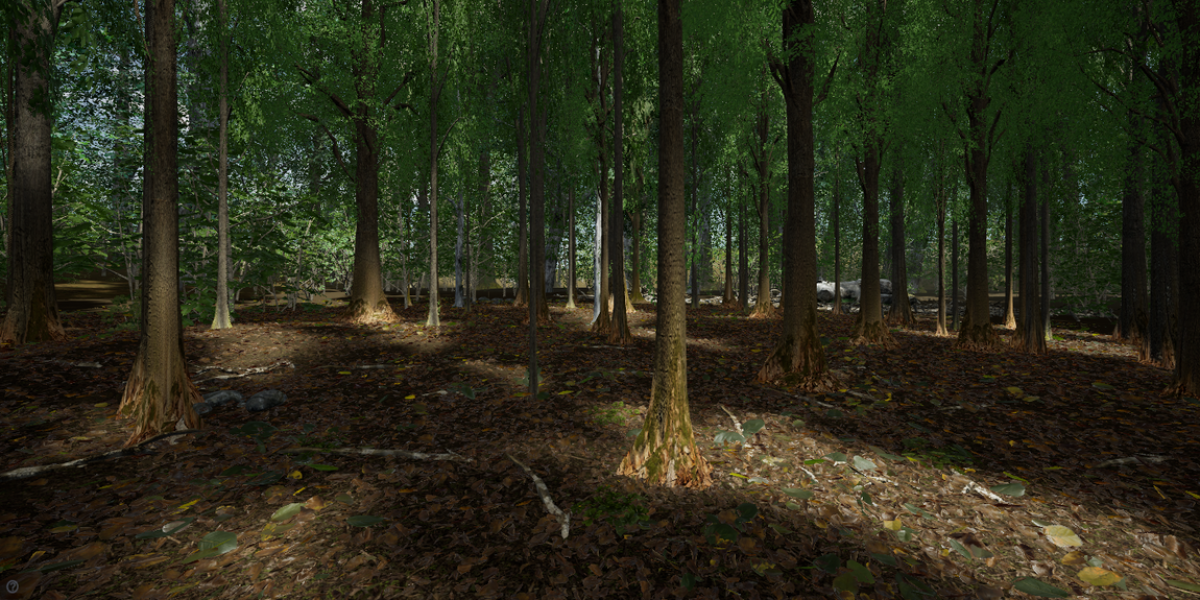
The Japanese have a name for the deliberate immersion in forest atmosphere: Shinrin-yoku. Forest bathing. The practice was formalised in 1982, but the research that followed has transformed it from a cultural intuition into a clinical discipline. Professor Qing Li of Nippon Medical School in Tokyo has spent decades quantifying what trees do to the human body, and the findings are specific enough to be unsettling in the best sense. Spending time in a forest environment measurably increases the activity of natural killer cells – the immune system’s front-line defence against cancer. It lowers cortisol, adrenaline and noradrenaline. It shifts the autonomic nervous system from sympathetic (fight-or-flight) to parasympathetic (rest-and-recover). It improves sleep architecture. In clinical trials, it has shown effects on depression comparable to pharmaceutical interventions.
The mechanism is partly chemical. Trees release volatile organic compounds called phytoncides – the fragrant oils that give forests their distinctive smell. When inhaled, these compounds directly stimulate immune function and modulate the stress response. In pine forests and cedar groves, the concentrations are highest. The forest is, in a precise sense, medicating you through the air.
A team at the University of Exeter studied 20,000 people and identified two hours per week in green spaces as the threshold at which health and psychological wellbeing benefits become measurable. Below that – nothing. Above it – consistent, statistically robust improvements across physical and mental health markers. The prescription is unusually simple. No device required. No protocol. No specialist.
Which raises an obvious question: why, in a culture that has medicalised wellness into a multi-billion-euro industry, has the most effective intervention remained largely undervalued?
Part of the answer is attention. Forest bathing is not hiking. It is not exercise. It is the deliberate use of all five senses to receive what the environment offers – the texture of bark, the quality of light through canopy, the layered acoustics of a forest floor. Research confirms that the cognitive benefits – restored attention, reduced rumination, elevated mood – derive from this quality of presence rather than from physical exertion. A slow walk through old-growth forest outperforms a vigorous run in terms of cortisol reduction.
For those navigating the particular pressures of a full life – the accumulated weight of decades of decisions, relationships, responsibilities – the forest offers something that no spa protocol can replicate: genuine deceleration. Not the performed relaxation of a treatment room, but the biological reset that happens when the nervous system encounters an environment it recognises at an evolutionary level.
The implications are wider than personal wellness. Several European healthcare systems are now piloting nature prescriptions – formal referrals from physicians to spend structured time in forests or green spaces. South Korea has built a national network of certified forest healing centres. Japan classifies Shinrin-yoku as a form of preventive medicine. The question for the rest of the world is not whether this works. The evidence settled that.